
Press Release
Extreme Weather Conditions Worsen Humanitarian Conditions in Gaza, says Irish Red Cross
December 16, 2025
Share
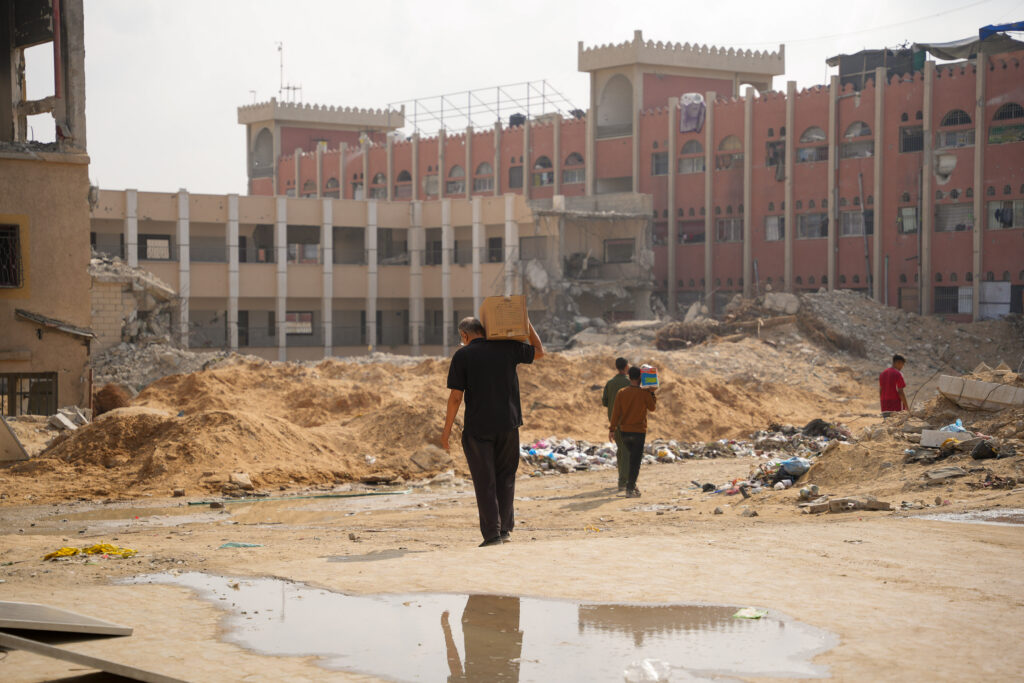
16th December 2025: The Gaza Strip is currently experiencing severe weather conditions, according to meteorological experts, accompanied by heavy rainfall and strong winds. These conditions have caused widespread flooding across shelter sites, further intensifying an already catastrophic humanitarian situation resulting from conflict, displacement, and the large-scale destruction of infrastructure.
The flooding has led to the collapse of several previously damaged homes, the submersion and displacement of thousands of tents, and casualties among civilians. It has also contributed to the spread of illnesses due to extreme cold, particularly affecting children, infants, and older persons.
Deirdre Garvey, Secretary General, Irish Red Cross said, “The humanitarian conditions in Gaza remain absolutely dire. We cannot look away and must continue to support the Palestine Red Crescent Society who are doing everything humanly possible to help their community amid unfathomable challenges. For those in a position to donate to our Gaza Crisis Appeal please visit www.redcross.ie. Every contribution makes a big difference.”
Estimates indicate that approximately 795,000 displaced persons are now at direct risk, amid a severe shortage of relief items, strict restrictions on the entry of aid, and the poor quality of relief supplies entering the Gaza Strip.
The ongoing conflict has resulted in the near-total destruction of housing and infrastructure, forcing the majority of the population into repeated displacement and to reside in unprepared sites — many located in low-lying, debris-filled areas lacking drainage systems and adequate sanitation facilities. Despite the announcement of a ceasefire, access constraints and the continued prevention of essential relief supplies persist, hindering service providers’ ability to respond comprehensively. Displaced populations remain reliant on low-quality shelter materials and tents that are not designed to resist flooding or seasonal rains.
The Irish Red Cross reiterates its urgent call for:
- Respect for international humanitarian law
- Safe, unhindered humanitarian access at all times
- Sustainable entry of medical supplies and fuel into the entire Gaza Strip
- Lifting of restrictions on the import of specific items critical to the humanitarian response, such as specialised medical equipment, shelter items, and vehicles
- Medical evacuations from the Gaza Strip to other countries must be urgently facilitated, through accelerated approvals and the use of all possible crossing points
Key impacts of recent extreme weather conditions on the Gaza Strip include:
1. Human Casualties and Housing Collapse
According to the Gaza Civil Defense (As of 12 December 2025):
- 11 fatalities and 6 injuries were reported due to the collapse of homes, walls, and tents.
- 13 homes collapsed completely as a result of rain and strong winds, most of which had been previously damaged by airstrikes.
- 52 individuals were rescued and evacuated from homes and tents at risk of collapse.
2. Flooding and Displacement Sites
According to IOM / Site Management Cluster reports:
- More than 219 displacement sites have been affected by flooding.
- Over 140,000 people were directly affected by previous rainfall, with numbers currently increasing.
- Approximately 795,000 displaced persons are living in high-risk areas.
- Thousands of tents were flooded or swept away, along with severe damage to mattresses, blankets, and sleeping materials.
3. Children and Most Vulnerable Groups
- Deaths and injuries among children were recorded due to extreme cold exposure and flooding.
- Increased cases of hypothermia and respiratory illnesses.
- Older persons, pregnant women, and persons with disabilities are unable to move safely or protect themselves from flooding.
4. Health and Environmental Risks
Water collection basins—particularly Sheikh Radwan pond—are at capacity, increasing the risk of flooding with sewage-contaminated water.
5. Flooding of tents with contaminated water raises the risk of:
- Skin diseases among children.
- Waterborne diseases (diarrhoea, infections).
- Environmental conditions continue to deteriorate due to the destruction of sewage networks caused by airstrikes.
Humanitarian Response Situation
1. Shelter and Relief:
- Despite the distribution of over one million shelter items since the ceasefire (according to IOM), these remain insufficient and unsuitable for flooding conditions.
- 1.5 million people are in urgent need of emergency shelter materials (Shelter Cluster).
- Large quantities of blankets, winter clothing, tents, and mattresses have been damaged due to flooding and the absence of proper drainage.
2. Access Constraints and Aid Restrictions:
- An average of only 128 trucks per day entered Gaza over the past two months, compared to the 600 trucks per day agreed upon.
Entry of the following items remains prohibited:
- Water pumps
- Sandbags
- Timber and wooden panels
- Rubble removal equipment
Thousands of aid pallets remain stranded in warehouses.
Meanwhile, Palestine Red Crescent Society (PRCS) teams continue to operate around the clock despite immense challenges, including an unsafe working environment due to ongoing bombardment, severe resource limitations, and restricted movement caused by mud and flooding.
Sources:
- Ministry of Health
- Civil Defense
- Palestine Red Crescent Society
- International Organisation for Migration (IOM)
- Site Management Cluster
- Islamic Relief
- Field reports
Media Enquiries
Contact us for all media enquiries, interviews, comments and information.
- Louise Cassidy
- media@redcross.ie
- +353 087 238 8986